 Skip to content


Best Landscape Retaining Wall Contractor in Ontario

Finding a reliable Landscape Retaining Wall Contractor in Ontario can transform your outdoor space completely. A strong retaining wall protects your soil, prevents erosion, and adds lasting value to your property. Why Your Property Needs a Retaining Wall Ontario’s climate brings heavy rain, freezing winters, and shifting soil. Without proper support, slopes can erode quickly. Retaining walls hold back soil and manage water flow effectively. They also create usable space on sloped yards. You gain flat areas for gardens, patios, or seating zones. A well-built wall adds both function and beauty to your landscape. Homeowners often underestimate how much a wall improves curb appeal. Buyers notice clean, structured yards. A professional wall installation can boost resale value significantly. Choosing the Right Contractor for Your Yard Not every contractor understands local soil conditions. Ontario soil varies from clay-heavy to sandy, and each type behaves differently under pressure. A skilled contractor studies your yard first. They check drainage patterns, slope angles, and soil type before building anything. This step guides every design decision that follows. At targetlandscaping, our team inspects every site carefully. We design walls that match your yard’s unique needs, not a generic template. This attention to detail prevents future cracking or shifting. Experience matters too. Contractors who have worked across different Ontario regions understand frost heave risks. They know how deep footings must go to survive winter freeze-thaw cycles. Materials That Matter Wall materials affect both looks and durability. Popular choices include concrete blocks, timber, and natural stone. Each material offers different benefits depending on your goals. Concrete blocks are affordable and quick to install. Timber walls look rustic but need more maintenance over time. Stone walls last longer and blend naturally into any landscape. Natural Stone Steps Installation in Ontario Many homeowners pair retaining walls with matching stone steps. This service creates a seamless transition between different yard levels. Stone steps add safety on sloped paths. They also give your landscape a cohesive, high-end appearance. Choosing the right stone size and texture matters for grip and drainage. Our team at targetlandscaping recommends combining walls and steps in one project. This approach saves time and ensures consistent design throughout your yard. Interlocking Stone Solutions Beyond walls and steps, many clients ask about interlocking pavers for driveways or patios. Interlocking Stone Installation Ontario projects pair beautifully with retaining wall work. These stones lock together tightly, creating strong, flexible surfaces. They resist cracking better than poured concrete in freeze-thaw climates like Ontario’s. Combining a retaining wall with interlocking stone paths creates a unified outdoor design. Your yard feels intentional, not patched together piece by piece. What to Look for in a Contractor Before hiring anyone, ask a few key questions. Do they carry insurance? Do they offer warranties? Can they show past project photos? A trustworthy landscaping contractor will answer these questions confidently. They should also provide a clear, written estimate before starting work. Avoid contractors who rush the process or skip site inspections. Proper planning prevents costly mistakes later. Quality work always starts with a solid foundation, literally. Ask about drainage solutions too. Poor drainage is the leading cause of wall failure. A good contractor installs gravel backfill and drainage pipes behind every wall. The Installation Process Every project starts with a consultation. The contractor visits your property and discusses your goals. They measure the slope and check soil conditions. Next comes the design phase. You’ll review material options, wall height, and layout. A clear plan avoids surprises once construction begins. Excavation follows the design approval. Workers dig a trench for the wall’s base. Proper depth here prevents shifting and settling later. Then comes the base layer. Crushed gravel creates a stable foundation. This step is often overlooked, yet it’s critical for long-term durability. Wall construction begins after the base sets. Blocks or stones are placed carefully, layer by layer. Each layer is checked for level and alignment. Finally, backfilling and drainage installation complete the project. Soil is compacted behind the wall. Drainage pipes redirect water away from the structure. Local Expertise Makes a Difference Working with a local company brings real advantages. Local contractors understand municipal codes and permit requirements across Ontario. This knowledge saves you time and avoids legal headaches. They also know which suppliers offer the best local materials. Shorter delivery times mean faster project completion. Local reputation matters too, since past clients can vouch for quality work. targetlandscaping has built strong relationships with Ontario suppliers over the years. This means better pricing and faster access to quality materials for every project. Maintenance Tips for Long-Lasting Walls Even the best walls need occasional care. Inspect your wall each spring for cracks or shifting. Early detection prevents small issues from becoming major repairs. Keep drainage clear of debris. Blocked drains cause water buildup, which weakens wall structure over time. Clear leaves and dirt regularly, especially after storms. Trim nearby plants and roots. Roots can push against walls and cause gradual damage. Regular yard maintenance protects your investment for decades. Watch for bulging or leaning sections along the wall face. These signs often point to drainage problems or soil pressure buildup. Address them early before they worsen. Reseal natural stone surfaces every few years. Sealing protects against staining and moisture damage. It also keeps colors vibrant through harsh Ontario winters. Schedule a professional inspection every two or three years. Trained eyes catch subtle issues homeowners often miss. This small step extends your wall’s lifespan significantly. Why Choose Targetlandscaping Choosing the right team matters as much as choosing the right materials. At targetlandscaping, we combine local knowledge with hands-on craftsmanship. Our crews handle everything from initial design to final cleanup. We prioritize clear communication throughout every project. You’ll always know what’s happening and why. We also specialize in complementary services. Alongside wall building, we offer natural stone steps and Interlocking Stone Installation Ontario for complete yard transformations. Conclusion A well-built retaining wall protects your property and enhances its beauty. Choosing an experienced Landscape Retaining Wall Contractor in Ontario ensures
Driveway Interlocking Pavers Installation in Ontario: The Complete Homeowner’s Guide
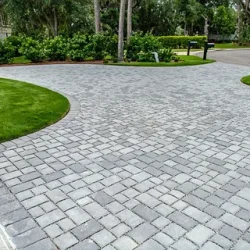
Driveway interlocking pavers installation is the process of building a driveway from individual precast concrete units laid over an engineered base, locked together by sand-filled joints and edge restraints. In Ontario, where the ground freezes and thaws repeatedly through the winter, this method has become the preferred alternative to poured concrete and asphalt because a paver surface flexes with seasonal ground movement instead of cracking against it. The result is a driveway that carries vehicle loads, sheds water, and holds its appearance for decades. A properly installed interlocking driveway is far more than a decorative surface — it is a layered structural system, and the quality of what lies beneath the pavers matters more than the pavers themselves. Target Landscaping builds these systems across Brampton and the surrounding Ontario region, and this guide explains how the work is done, why the base is decisive, and how to recognize an installation that will last. Why Interlocking Pavers Outperform Concrete and Asphalt in Ontario Ontario’s climate is the deciding factor. Poured concrete is rigid; when the ground heaves during a hard frost, the slab has nowhere to move and eventually cracks, and once it cracks, water enters and the damage compounds each winter. Asphalt softens in summer heat, hardens and becomes brittle in cold, and needs regular resealing. Interlocking pavers behave differently because they are not a single mass. Each unit can shift fractionally with the ground while the whole surface stays intact, absorbing the stress of freeze-thaw cycles that would fracture a slab. The advantages extend beyond durability. A damaged paver can be lifted and replaced individually without patching the entire driveway, the surface is available for use the moment installation finishes rather than requiring a cure, and the range of colours, shapes, and laying patterns offers design flexibility that poured surfaces cannot match. For Ontario homeowners weighing long-term value, those qualities are the reason interlocking has become the standard for premium driveways — a focus of Target Landscaping’s interlocking installation services. The Base Is the Driveway: Excavation and Sub-Base Preparation The single most important truth about paver driveways is that the visible stone is only the final layer. A driveway must carry the weight of vehicles, so it begins with deep excavation — typically removing eight to twelve inches of soil for a driveway, considerably more than a walkway or patio requires. Once excavated, the exposed soil is graded to create a slope that drains water away from the home, then compacted. A geotextile fabric is often laid over the subsoil to separate it from the aggregate above, preventing the two from mixing and preserving the base’s load-bearing capacity over time. Crushed granular aggregate is then added in measured lifts, and each lift is compacted with a plate compactor before the next is placed. Skipping or rushing this layering is the most common cause of premature failure, because a base compacted all at once never reaches uniform density. Proper grading at this stage also governs whether water sheds correctly — the same drainage logic that underpins quality retaining wall construction, where managing water movement determines how long the structure survives. Laying the Pavers: Bedding, Pattern, and Edge Restraints With the compacted base in place, a thin, screeded layer of bedding sand provides the level setting bed for the pavers. The pavers themselves are then laid in the chosen pattern. For a driveway, the pattern is a structural decision, not only an aesthetic one: a herringbone layout interlocks the units against the turning and braking forces of vehicle traffic far better than a simple stacked or running bond, which is why it is the standard choice for surfaces that bear cars. Edge restraints are installed along the perimeter to lock the field of pavers in place. Without them, the outer units gradually spread outward under load and the whole surface loosens. Finally, the joints are filled — increasingly with polymeric sand, which hardens when wetted to resist washout, weed growth, and insect intrusion while still permitting the slight flexibility that makes interlocking systems work. A final pass with the plate compactor seats the pavers into the bedding and locks the joints. The same precision governs the company’s broader natural stone installations, where the integrity of the finished surface depends entirely on disciplined preparation beneath it. Permeable Pavers and Drainage Considerations Drainage deserves particular attention in Ontario. Standard installations are graded to direct surface water away from the foundation, but permeable paver systems offer an alternative that allows water to pass through wider, aggregate-filled joints into a specially designed open-graded base, where it infiltrates the ground rather than running off. These systems reduce pooling, ease pressure on municipal storm drainage, and can help with lot-level water management. Whether a standard or permeable approach suits a property depends on its grade, soil, and local requirements — a judgment an experienced installer makes during assessment. How to Choose a Driveway Paver Contractor in Ontario Because the base is invisible once the job is finished, homeowners cannot inspect the most important work after the fact, which makes the contractor’s integrity central. A capable installer demonstrates a verifiable record of completed driveways, explains the excavation depth and base build-up rather than glossing over it, and commits the specifications to a written quote. Ask specifically about excavation depth, the number of compacted lifts, the type of edge restraint, and whether polymeric jointing sand is included — vague answers on these points are a warning sign. Experience with Ontario conditions matters as well. A contractor who has built driveways through many local winters understands how frost depth, drainage, and soil type interact, and designs the base accordingly. Target Landscaping has worked in stone and hardscaping since 1998, and that longevity reflects the kind of accountability and craftsmanship a structural investment like a driveway deserves. Caring for an Interlocking Paver Driveway Maintenance is modest but worthwhile. Periodic sweeping, occasional rinsing, and topping up the joint sand every few years keep the surface stable and attractive. Sealing is optional
